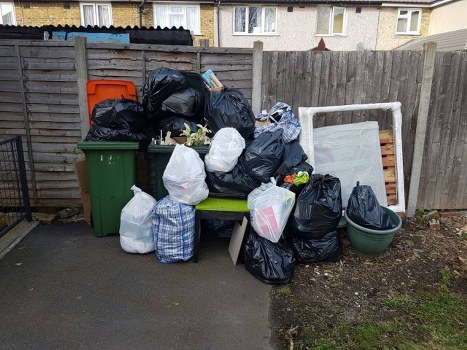
Health & Safety Policy for Office Clearance Hatch End
This policy sets out the commitment of our office clearance and rubbish removal service to maintain safe working conditions and protect the health of employees, contractors and clients. Office Clearance Hatch End operations are guided by risk-based practices that prioritise hazard elimination, safe systems of work and continuous improvement. The policy applies to all phases of commercial clearance, office waste disposal and site clearance activities.Purpose and scope: This policy explains the responsibilities, controls and procedures for office waste clearance and commercial junk removal activities. It covers pre-clearance surveys, on-site removal work, transport of items, temporary storage and segregation for recycling or disposal. The aim is to reduce incidents, protect the public, and ensure legal and environmental compliance without over-emphasising local statutory detail.
 Responsibilities: Management and staff share duties to maintain safety. Key responsibilities include:
- Management: provide resources, training and adequate equipment for safe rubbish removal and office clearance operations.
- Supervisors: implement risk assessments, monitor controls and ensure site rules are followed during commercial clearance work.
- Workers: follow instructions, use PPE, report hazards and participate in training.
Risk assessment and planning
All office clearance tasks must start with a documented risk assessment that identifies hazards such as manual handling strains, slip and trip risks, electrical items, asbestos suspicion, sharps and hazardous materials. Assessments will consider site layout, access routes, lift use, stairways and vehicle movements. The team will record control measures and only proceed when risks are reduced to an acceptable level.Pre-clearance planning is crucial for rubbish removal services and includes client liaison, access arrangements, time windows and waste segregation strategies. Commercial waste clearance jobs will be allocated based on skill, PPE requirements and transport provisions. Vehicles and containers must be inspected before departure and loaded to avoid shifting loads in transit.
Where specialist or hazardous items are present, work will be paused pending exclusion, specialist removal or advice. Use of subcontractors for specialist remediation must be subject to competence checks and written controls. Contractor management ensures continuity of safety standards across multi-party operations.
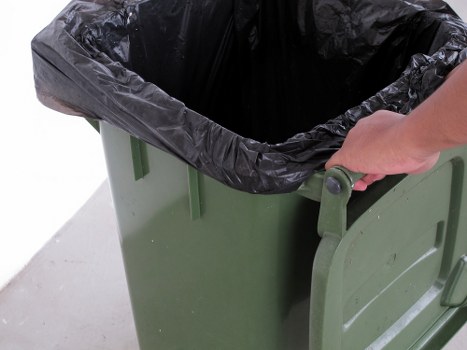
Safe systems of work
For office clearances, safe systems include manual handling protocols, use of mechanical aids, correct lifting techniques and team lifts where necessary. Workers must wear appropriate PPE — gloves, safety footwear, hi-vis and eye protection — and replace damaged equipment immediately. Clear segregation of recyclable materials, confidential waste and general rubbish reduces handling and exposure risks.Vehicle and site access safety: Vehicles engaged in rubbish removal must be loaded and secured according to load-safety procedures. Drivers must ensure vehicle walkways are clear and report defects before use. On-site traffic management will be enforced to separate pedestrians from vehicles using barriers, signage and a banksman where needed.
Electrical equipment and IT equipment removed during office clearance should be treated as potential electrical hazards and handled by trained personnel. Data-bearing devices should be labelled and stored securely pending disposal or transfer, with controls to prevent accidental data exposure.
Handling hazardous materials and special waste
Hazardous items such as batteries, fluorescent tubes, chemicals, paints and compactors require distinct handling procedures. Staff must use specific containers and follow segregation rules to prevent contamination. If potential asbestos-containing materials are discovered, operations stop immediately and a licensed asbestos professional will be called in for assessment and removal.Waste transfer documentation and manifests should accompany loads as required by operational best practice. Recycling goals are promoted with clear procedures for separation of paper, cardboard, metal, plastics and electronics to reduce landfill and enhance sustainability across the office clearance service area.
Emergency preparedness includes first aid provision, spill kits, fire extinguishers and clear evacuation routes. Incidents and near misses are recorded, investigated and acted upon to reduce recurrence. A culture of reporting and learning improves safety leadership and operational resilience.
Monitoring and competence: Regular inspections, toolbox talks and audits ensure standards are maintained. Training covers manual handling, PPE use, hazardous materials awareness and vehicle loading. Competence assessments will be conducted for roles involving specialist clearance or operating powered equipment. Records of training and qualifications will be kept to demonstrate ongoing capability.
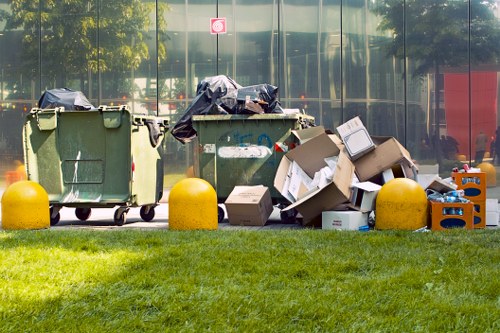 Environmental and operational considerations: The rubbish removal and office clearance function aims to minimise environmental impact. Where feasible, materials recovered during clearances are re-used or recycled. Waste hierarchy principles guide decision-making: reduce, re-use, recycle, recover and dispose as last resort. Noise, dust and traffic impacts are managed through timing controls and mitigation measures.