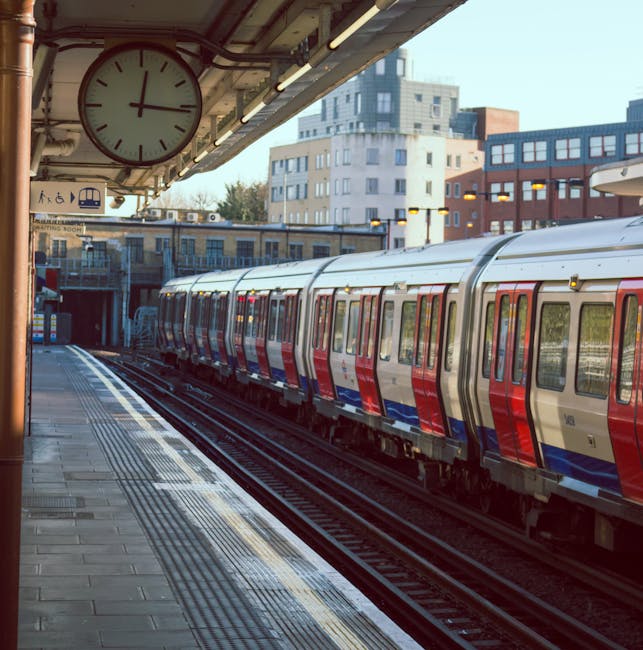
Hatch End Station: what to do with commuter rubbish
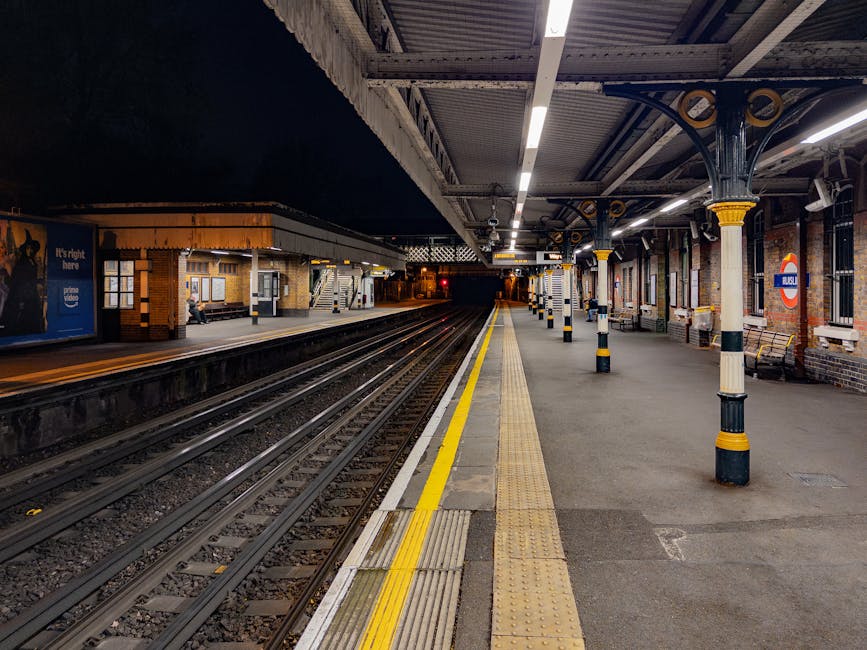
If you travel through Hatch End Station regularly, you already know how quickly commuter rubbish can build up. A coffee cup in one hand, a biscuit wrapper in the other, a newspaper you meant to keep, a wet umbrella sleeve, a ticket stub, a takeaway container from the morning rush... it all adds up. And if you're the person who ends up holding it until you get home, you'll know the awkward truth: there's always that moment when you realise your bag has turned into a tiny bin.
This guide explains Hatch End Station: what to do with commuter rubbish in a practical, local, no-nonsense way. We'll look at what counts as commuter waste, where it should go, how to manage it safely and responsibly, and when a wider clear-out or waste service makes more sense. You'll also find a checklist, a comparison table, and a few real-world tips that make daily travel a bit less messy. Simple, really - but useful.
For nearby households, commuters, landlords, and small businesses alike, the issue is not just tidiness. It's about hygiene, convenience, public space, and avoiding the kind of litter that attracts complaints or adds pressure to station facilities. If you're also dealing with office overflow, furniture disposal, or a bigger clear-out, services like local waste removal or recycling and sustainability support can help keep everything moving in the right direction.
Table of Contents
- Why Hatch End Station commuter rubbish matters
- How commuter rubbish handling works
- Key benefits and practical advantages
- Who this is for and when it makes sense
- Step-by-step guidance
- Expert tips for better results
- Common mistakes to avoid
- Tools, resources and recommendations
- Law, compliance and best practice
- Options, methods and comparison table
- Case study or real-world example
- Practical checklist
- Conclusion
- Frequently asked questions
Why Hatch End Station: what to do with commuter rubbish Matters
Commuter rubbish sounds minor until you see the knock-on effect. A few abandoned cups on a bench can become a scattered mess by lunchtime. Wet napkins blow across the pavement. Food packaging ends up in planters or around the entrance. Before long, the station area feels less welcoming, and nobody enjoys waiting for a train in a place that looks neglected.
At Hatch End Station, the issue matters for a few connected reasons:
- It affects cleanliness: litter spreads faster than most people expect, especially in windy spots near platforms or exits.
- It affects safety: loose rubbish can create slipping hazards, block drains, or become a nuisance in busy footfall areas.
- It affects reputation: a tidy station area sends a very different message from a cluttered one. People notice.
- It affects disposal habits: if commuters don't have a clear plan, waste often ends up in the wrong bin - or no bin at all.
There's also a practical point that gets missed quite often. Many people do not mean to litter. They're juggling a phone, bag, umbrella, reusable cup, maybe a child's snack wrapper, and they simply run out of hands. That's why good commuter rubbish habits are less about judgement and more about setting up a system that works in everyday life. A small thing, yes. But daily life is made of small things.
For station-adjacent offices, landlords, and transport users who regularly generate waste, it can help to think beyond the bin on the platform. If you have frequent overflows from a workplace or shared property, options such as business waste removal or office clearance may be more suitable than trying to manage everything in-house.
How Hatch End Station: what to do with commuter rubbish Works
At the simplest level, commuter rubbish management works in three stages: contain it, separate it, and dispose of it correctly. That sounds obvious, but it's exactly where most people slip up. They only think about the final bin, not the journey to get there.
Here's how it usually plays out in real life.
1. Contain the waste while you travel
If you've bought food, a drink, or a paper item on the move, keep a small internal pocket or spare bag section for wrappers and cups. A folding tote or even a reusable zip pouch can stop rubbish from floating loose inside a handbag or backpack. Not glamorous, but effective.
2. Separate recyclable and non-recyclable items where possible
Paper cups, food wrappers, plastic lids, bottles, and cardboard sleeves are not all handled the same way. The exact recycling route can vary by location and materials, so don't assume every item belongs in the same bin. If in doubt, keep it together and sort it later at home or work.
3. Use the right disposal point
The right disposal point might be a station bin, a home recycling container, an office waste stream, or a local waste service. What matters is not dumping items where they don't belong - on the platform, beside a hedge, or in the wrong collection bin because it's nearest. Convenience is tempting. It's still worth doing properly.
4. Handle special items separately
Some commuter waste is not really "rubbish" in the ordinary sense. Think of broken headphones, a dead battery from a portable charger, an old laptop bag, or packaging from a new office chair if you're commuting with items for work. Those need more careful handling than a sandwich wrapper.
If you're dealing with bulkier items at home or at work near Hatch End, browsing services like furniture disposal or furniture clearance may save you a second trip and a lot of faff.
Key Benefits and Practical Advantages
Managing commuter rubbish properly may not sound like a big win, yet it makes a surprisingly visible difference. Here's what you get from a simple, consistent routine.
- Cleaner travel habits: you're less likely to leave a trail of bits and bobs in your bag, car, or office.
- Less stress: when you know where waste is going, you stop improvising at the last minute.
- Better hygiene: food containers, napkins, and drinks residues can get unpleasant quickly, especially in warm weather or on a crowded train.
- Less litter pressure: proper disposal helps reduce station-side clutter and keeps public spaces more usable for everyone.
- Smarter recycling: separating waste properly improves the chance that suitable materials are recovered rather than thrown in general rubbish.
- More professional habits: this matters for commuters carrying work materials, documents, samples, or packaging from the office.
Practical takeaway: the best commuter rubbish system is the one you'll actually use at 7:45 in the morning, when you're half awake and the platform is busy. If it's too complicated, you won't stick to it.
That last point is worth sitting with. Good waste handling isn't about being perfect; it's about building a routine that survives the real world. The commuter who carries a tiny reusable bag for waste will usually do better than the person who "means to sort it later" and then forgets at the end of the day. Truth be told, we all do that now and then.
Who This Is For and When It Makes Sense
This topic is useful for more people than you might think. It is not just for people who commute every weekday. It also matters if you work, live, or manage property near the station area.
Regular commuters
If you take the train daily, you'll build up packaging, receipts, snack wrappers, and drink containers quickly. A small system helps prevent rubbish from ending up in your coat pocket or being dumped in the nearest convenient place, which is rarely the right one.
Remote workers and hybrid workers
Even occasional travellers create waste. A coffee on the way in, a quick lunch between meetings, a printed ticket, and suddenly your bag is full of odd little items. Hybrid work can actually make waste habits worse because there's less routine.
Local businesses and offices
Shops, clinics, small offices, and service businesses near Hatch End may find that commuter traffic brings extra disposable cups, packaging, and cleaning needs. In those cases, a structured business waste removal arrangement is often the tidiest solution.
Landlords and property managers
Shared entrances, bin stores, and private forecourts can collect litter quickly. If you've got communal access near a station route, you already know how one dropped bag can become a weekly issue. For larger clear-outs, flat clearance or home clearance may be more useful than ad hoc trips to the tip.
Anyone clearing out bulky waste
Sometimes "commuter rubbish" is really the starting point of a bigger declutter. Maybe you've been using a spare room as a storage point for broken chairs, packaging, or old bags. If that sounds familiar, services like garage clearance and loft clearance can help reset the space properly.
Step-by-Step Guidance
If you want a straightforward way to deal with commuter rubbish around Hatch End Station, use this practical process. It's simple enough to remember and robust enough to work on a busy weekday.
- Start with the source. Before you buy food or drinks on the move, think about the packaging. Can you choose something easier to carry or reuse?
- Carry a waste container. A small tote, paper bag, or zipped pouch keeps wrappers and receipts from floating around your main bag.
- Sort as you go. Keep recyclables separate from food-soiled items where possible. A clean bottle is very different from a greasy wrapper.
- Use station bins responsibly. If there is an appropriate bin nearby, use it properly. Don't overfill it, and don't leave waste balanced on top.
- Take home anything uncertain. When in doubt, carry it to a better disposal point rather than guessing.
- Empty your bag the same day. This sounds obvious, but it prevents odours, stains, and sticky messes. Ten seconds in the kitchen beats a week of forgotten crumbs.
- Escalate bigger waste problems. If you're regularly carrying larger items, packaging from deliveries, or accumulated clutter, book a proper collection service instead of letting it snowball.
A common mistake is assuming you'll "deal with it later" once you get home, then spending the evening trying to remember which wrapper belongs where. Been there. Not ideal. A tiny routine is usually better than a grand plan.
Expert Tips for Better Results
These are the little habits that make commuter rubbish management much easier without turning your day into a chore.
- Keep one dedicated rubbish pocket. Choose a side pocket or compartment and make it the default spot for wrappers and tickets.
- Use a reusable cup or bottle when you can. Fewer disposable items means less waste to carry, simple as that.
- Flatten packaging. Card sleeves, snack boxes, and cartons take up less space once flattened. Your bag will thank you.
- Don't mix liquids with dry waste. A leaking drink cup turns recyclable paper into soggy mush. Nobody wants that smell by 5pm.
- Check what your local collection service accepts. Recycling rules can vary, so a quick check is worth it.
- Think in zones. Home bag, work bag, car bin, station bin - each one has a purpose. Waste is easier to manage when you know the destination before you start your journey.
If your rubbish problem is actually a bigger disposal problem - old office chairs, broken storage, unwanted household items, piles of post-move packaging - the next sensible step may be a more complete service such as house clearance or furniture clearance. It saves time and reduces the temptation to store things "just for now".
Common Mistakes to Avoid
Most waste-related headaches come from a few recurring habits. Once you spot them, they're easy enough to fix.
- Leaving rubbish loose in bags. This causes mess, smells, and spills.
- Assuming every bin is the right bin. Public bins are not all for every material, and overfilling creates litter.
- Putting food-soiled packaging in recycling without checking. Dirty items can contaminate recycling streams.
- Ignoring broken or sharp items. Glass, metal edges, and batteries need special care.
- Delaying disposal for too long. One old coffee cup becomes three. Then five. Then it starts feeling weirdly personal.
- Trying to manage a large clear-out with commuter habits. A few wrappers are fine. A room full of clutter is a different beast entirely.
One more thing: don't underestimate the impact of wet weather. A damp morning in London can turn a paper bag into a soggy mess faster than you'd expect. If you commute through drizzle, keep a sealable pouch or reusable container handy. It's a tiny adjustment, but it helps a lot.
Tools, Resources and Recommendations
You do not need fancy gear to manage commuter rubbish well. Just a few practical items and the right services when waste becomes bigger than a pocket-sized problem.
Useful everyday items
- A small reusable bag or pouch for wrappers and tickets
- A leak-proof bottle or cup
- A compact hand sanitiser for sticky situations
- A foldable tote for surprise purchases or leftover packaging
- A simple habit of emptying bags at the end of the day
Useful local services
For larger waste, unwanted furniture, or accumulated household items, a local collection service can be much easier than making repeated trips. Depending on the situation, you may want to look at general waste removal, builders waste clearance, or garage clearance. If the issue is mostly old items from a property, home clearance is often the neatest route.
If you want to understand service options, pricing structure, or how a collection is arranged, the company's pricing and quotes page is a sensible place to start. For background on standards and approach, about us and health and safety policy can also be useful reads.
Law, Compliance, Standards, or Best Practice
For everyday commuters, the key thing is straightforward: dispose of rubbish responsibly and avoid leaving waste in public spaces. For households and businesses, the standard is a bit broader. Waste should be stored safely, sorted sensibly, and handed to an appropriate collection route. That is the practical norm, and it's the safest place to start.
Because waste rules can differ depending on material type, location, and collection arrangements, it is best not to guess. Batteries, electronics, paint, bulky furniture, construction waste, and certain business wastes often need separate handling. If you're unsure, check the relevant collection guidance or use a reputable service that can advise clearly.
Good practice also includes:
- preventing waste from escaping into public areas
- separating recyclables where suitable
- keeping sharp or contaminated items secure
- using insured and traceable collection services for larger waste streams
For users who want reassurance on service standards, it is worth reviewing insurance and safety and the company's terms and conditions. That kind of detail matters more than people think, especially when waste is bulky, mixed, or difficult to move.
Practical note: if waste starts crossing from "a few commuter items" into "a proper clear-out", treat it that way. Different scale, different plan.
Options, Methods, or Comparison Table
There's no single right way to deal with commuter rubbish. The best method depends on how much you create, where you are, and whether the waste is ordinary, recyclable, or bulky. The table below gives a simple comparison.
| Method | Best for | Pros | Limitations |
|---|---|---|---|
| Carry it home and sort later | Light daily waste like wrappers, cups, receipts | Simple, flexible, works almost anywhere | Can get messy if you forget or mix items together |
| Use station or street bins correctly | Small, disposable items during the commute | Fast and convenient | Not suitable for overflow or awkward materials |
| Separate recycling at home or work | Commuters who generate regular packaging waste | Better sorting, less contamination | Requires a little discipline and space |
| Book waste removal | Bulky, mixed, or accumulated waste | Saves time, handles larger loads, reduces stress | Needs planning and may involve a quote |
| Use a clearance service for property waste | Homes, flats, garages, lofts, offices | Good for full-scale decluttering and disposal | More than you need for simple daily litter |
For small, everyday waste, carry-and-sort usually wins. For anything larger or more awkward, a professional clearance option is often the calmer choice. Nobody needs to wrestle a broken chair onto a train platform. Let's be honest.
Case Study or Real-World Example
Picture a typical Tuesday morning near Hatch End. A commuter grabs a coffee, a pastry, and a paper receipt before heading to the platform. On the way in, the cup sleeve loosens, the wrapper folds into the bag, and the receipt disappears into a side pocket. Nothing dramatic. But by the time that person gets to work, the bag contains three loose bits of waste, a sticky lid, and a half-finished snack wrapper from yesterday.
Now compare that with a simple routine. The same commuter carries a reusable bottle, keeps a small pouch in their bag for packaging, and empties the pouch every evening. The waste doesn't leak into the rest of the bag. There's less smell, less clutter, and far less chance of rubbish being dropped on the go. A tiny habit. Big difference.
We've seen the same pattern in shared houses and small offices too. Once people start collecting random packaging, the waste problem stops being about one coffee cup and becomes a general clutter issue. In those cases, a larger solution like flat clearance or office clearance can reset the space and stop the cycle from repeating.
The best outcomes usually come from a mix of prevention and disposal. Not one or the other. Both.
Practical Checklist
Use this checklist if you want a quick, realistic way to stay on top of commuter rubbish around Hatch End Station and beyond.
- Carry one dedicated place for waste in your bag
- Keep food packaging separate from clean items
- Use station bins only when appropriate and not overflowing
- Take home anything you are unsure about
- Empty your commuter bag daily
- Flatten cardboard and bulky packaging where possible
- Keep batteries, electronics, and sharp items separate
- Check local recycling guidance for mixed materials
- Book a waste service if clutter has moved beyond everyday litter
- Review clear-out options for furniture, garages, lofts, or offices if the problem is bigger than it first looked
If you're dealing with an entire household clear-out, or moving items after a long period of accumulation, you may also find house clearance and loft clearance especially helpful. Sometimes the smartest waste plan is the one that clears the slate properly.
Conclusion
Hatch End Station commuter rubbish is a small issue with a bigger impact than most people realise. Handled well, it keeps travel cleaner, reduces clutter, and makes public and private spaces feel calmer. Handled badly, it becomes litter, odour, stress, and another thing to tidy up later. And later tends to arrive faster than we expect.
The good news is that the solution is usually simple: contain waste, sort it sensibly, use the right bins, and move bigger clear-outs into a proper disposal route. If you keep the habit easy, you'll actually keep it. That's the trick.
If your rubbish problem is no longer just about the daily commute, explore the most suitable service path and choose the one that matches the scale of the job. A little planning now saves a lot of hassle later - and honestly, that's a relief in itself.
Get a free quote today and see how much you can save.
Frequently Asked Questions
What counts as commuter rubbish at Hatch End Station?
Commuter rubbish usually includes coffee cups, snack wrappers, receipts, tissues, bottle caps, newspaper bags, takeaway containers, and other small disposable items carried during a journey. It can also include work-related packaging or small broken items if you've bought or transported something on the commute.
Can I just leave my rubbish in a station bin?
Yes, if there is a suitable bin and it is not overflowing. The main thing is to use it correctly and not force waste into an already full container. If the bin is full, take the rubbish with you and dispose of it elsewhere.
What should I do with wet or food-soiled packaging?
Wet or food-soiled packaging should usually be kept separate from clean recyclables. If you are not sure whether it can be recycled, it is safer to hold onto it and check your local guidance later rather than contaminating a recycling bin.
Is it better to take rubbish home or use a public bin?
For small items, either can work depending on what is available. If the bin is appropriate and not full, use it. If not, take the waste home and sort it properly. The key is keeping rubbish contained and avoiding littering.
What if I often travel with takeaway food or drinks?
Carry a reusable pouch, tote, or pocket section for packaging and empty it daily. A reusable cup or bottle can also reduce the amount of waste you create in the first place. That's usually the easiest win.
Do I need a waste removal service for commuter rubbish?
Not for a few wrappers or cups. But if your waste builds up into bigger loads, such as mixed household clutter, office items, or bulky packaging, a professional service can be much easier and cleaner than trying to handle it piecemeal.
What is the difference between rubbish and recyclable waste?
Rubbish generally means items that cannot be recovered through recycling, while recyclable waste includes materials that can be processed again if they are clean and accepted by the local system. The exact rules vary, so it is worth checking before you sort everything together.
How do I stop rubbish from making my bag smell?
Use a sealed pouch or a small bag section for waste, and empty it every day. Avoid putting wet food containers in with fabric items. If something leaks, rinse or wipe the container quickly before it sits there overnight.
What should businesses near Hatch End Station do with commuter-generated waste?
Businesses should separate their own waste streams and avoid relying on ad hoc disposal habits. If the waste is regular, a structured approach such as business waste removal is usually more efficient and tidier than managing everything manually.
How do I deal with bigger items I no longer want?
If the item is bulky, heavy, or awkward - like furniture, office equipment, or stored household items - use a service designed for that type of waste. Depending on what you have, furniture disposal, builders waste clearance, or a broader clearance service may be the right fit.
Where can I find more information about quotes and service options?
You can review the company's pricing and quotes page for a clearer idea of how bookings are handled. If you need direct help, the contact us page is the next step.
What's the most practical habit to start with today?
Start by giving commuter rubbish one designated place in your bag and emptying it every evening. That single habit solves a surprising amount of mess, and it is easy enough to keep up even on a rushed day.