Case study: semi-detached sofa removal in HA5 results
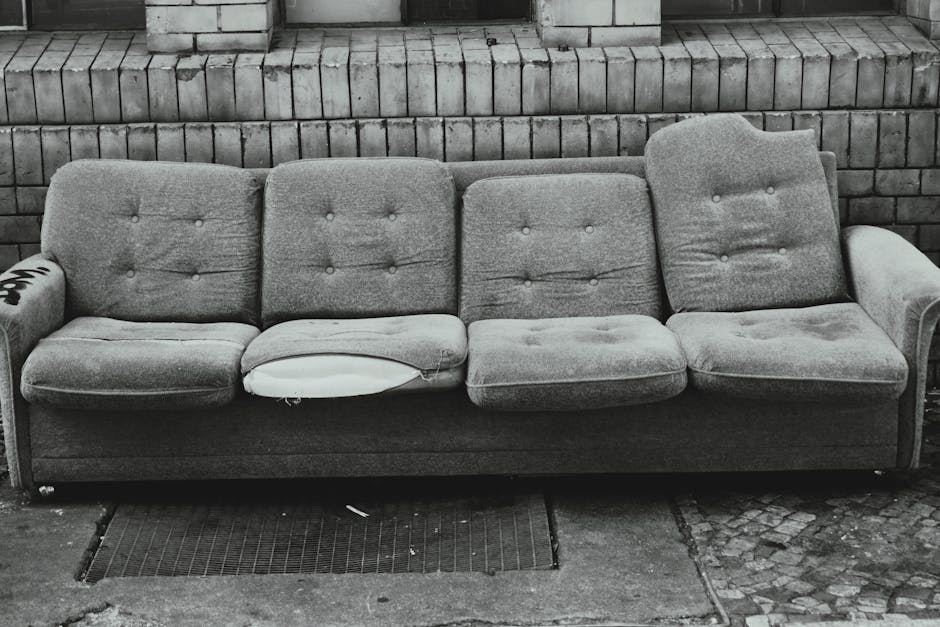
If you have ever looked at a bulky sofa wedged in a hallway and thought, "Right, how on earth is this getting out?", you are in the right place. This case study on semi-detached sofa removal in HA5 results breaks down what actually happens during a typical furniture clearance job in a real London home, what can go wrong, and what a good outcome looks like. In semi-detached properties, access can be tighter than people expect, and one awkward turn on the stairs can turn a simple job into a headache. The goal here is to show the practical side of the removal process, not just the polished finish.
We will look at the planning, the removal method, the benefits, the common mistakes, and the kind of results homeowners usually want: fast, tidy, respectful, and stress-free. If you are comparing options or simply want to know whether your sofa can be taken away without drama, this guide should help. Truth be told, that bit of peace of mind is often the real win.
- Why it matters
- How it works
- Key benefits
- Who needs this and when it makes sense
- Step-by-step guidance
- Expert tips for better results
- Common mistakes to avoid
- Tools, resources and recommendations
- Law, compliance, standards, or best practice
- Options, methods, or comparison
- Case study or real-world example
- Practical checklist
- Conclusion
- Frequently asked questions
Why Case study: semi-detached sofa removal in HA5 results Matters
A sofa removal might sound straightforward until you are standing in a semi-detached property with narrow stairs, a front room that opens straight into a tight hallway, and a sofa that looked much smaller in the shop. That is exactly why this topic matters. The result is not just "sofa gone". The real result is a home that feels usable again, fewer obstructions, less stress, and no last-minute damage to walls, banisters, or flooring.
In HA5, as in many parts of outer London, homes can vary a lot in layout. Some have compact porches, shared driveways, or side access that is helpful but not generous. Others have front doors close to parked cars, so timing and loading become part of the job. A strong removal result depends on reading the property properly before lifting anything. That is the difference between a smooth clearance and a rushed one.
There is also the wider matter of disposal. A sofa is not just "rubbish" in the casual sense. It needs to be handled responsibly, with attention to reuse, recycling, and correct waste handling. If you are already looking into furniture clearance or furniture disposal, the sofa is usually only one piece of a bigger puzzle. Maybe the spare armchair goes too, or the old coffee table, or the mattress that has been leaning against the wall for months. Happens all the time.
Expert summary: the best sofa removal results come from planning access first, lifting safely second, and disposing of the item responsibly third. Skip the planning and the rest becomes harder than it needs to be.
How Case study: semi-detached sofa removal in HA5 results Works
The process usually begins with a simple assessment. The team needs to understand the sofa size, whether it is a standard two-seater, corner sofa, sofa bed, or something with detachable sections, and how it will leave the property. In a semi-detached home, the route matters almost as much as the item itself. Front door, hallway corners, stair width, landing turns, and any obstacle like radiators or shoes piled neatly-but-not-really neatly by the stairs all affect the plan.
Once access is clear, the actual removal can be surprisingly quick. A good team will protect the route where needed, move carefully to avoid scuffs, and keep communication clear. You do not want a crew guessing their way down the stairs while you silently hope the paintwork survives. That is not a plan.
After the sofa is out, the service should continue through proper handling, sorting, and disposal. Depending on the item condition, it may be directed toward reuse, recycling, or general waste streams. If the job is part of a larger home clearance, it may be grouped with other items through a broader home clearance or even a full house clearance. That can make the whole process more efficient and often tidier too.
For many customers, the result they care about most is invisible: no heavy lifting, no van hire, no awkward carrying, and no disposal confusion. Just an empty room and a clear path. Simple outcome. Good result.
Key Benefits and Practical Advantages
A professionally handled sofa removal does more than remove an unwanted item. It clears space, reduces risk, and saves time. In a semi-detached property, the gains are often more noticeable because the house can feel cramped very quickly once bulky furniture starts getting in the way.
- Less physical strain: no wrestling a heavy frame through a narrow landing or down a staircase.
- Lower risk of damage: careful handling helps protect walls, banisters, corners, and floors.
- Faster turnaround: what could take you half a day often becomes a short, organised job.
- Cleaner end result: the room is left clear rather than half-finished with packaging, straps, or debris left behind.
- Better disposal outcome: furniture is handled through a route that can support reuse, recycling, or proper waste processing.
There is a practical comfort in knowing the item is gone properly. That sounds obvious, but it matters. You do not want to be the person who gets halfway through moving a sofa and then realises it will not fit in the car, or that the local tip rules are more awkward than expected. Been there? Many people have.
This is also where coordinated services can help. If the sofa removal sits alongside other bulky items, you may find it useful to look at broader options such as waste removal or a more focused furniture clearance. That is often where the best value appears: fewer trips, less disruption, and one tidy completion.
Who This Is For and When It Makes Sense
This kind of removal is ideal for homeowners, landlords, tenants, letting agents, and anyone else dealing with a bulky item that is too awkward to move alone. In HA5, it often suits people preparing a property for sale, changing furniture after a renovation, or clearing a room for a child, guest, or home office. The sofa might be old, stained, broken, or simply no longer the right size for the room.
It also makes sense when timing matters. Maybe you are expecting a delivery and need the old sofa out first. Or perhaps a rental property needs a quick turnaround and the item has to go before viewings. In those cases, delaying the job just adds pressure later. Let's face it, bulky furniture has a way of hanging around longer than intended.
If the property is semi-detached, the job is often easier to manage than in a top-floor flat, but there can still be challenges: shared access, parked cars outside, wet weather, or a narrow front path. If the sofa needs to pass through a tighter entrance, a flat clearance style approach may be useful in terms of planning, even if the property itself is not a flat. The principle is the same: check the route before the lifting starts.
This service is usually not for people who want to keep the item and resell it themselves. If reuse is possible, that can be a valid route. But if the sofa is too bulky, too damaged, or simply not worth the effort, arranged removal is often the more sensible decision.
Step-by-Step Guidance
If you want the best result, approach sofa removal like a small project rather than a random lift-and-drag exercise. A little preparation goes a long way.
- Measure the sofa and the route. Check width, height, and depth of the sofa, then compare it with doorways, hallways, and stair turns. This single step avoids a lot of frustration.
- Clear the access path. Move shoes, lamps, rugs, side tables, and anything fragile. You want a clean run from room to exit.
- Identify any tricky points. Tight corners, low ceilings, or awkward banister rails can change the lifting method.
- Protect surfaces if needed. Floor runners, blankets, or corner protection can help prevent scuffs and knocks.
- Decide whether the sofa can be split down. Some sofas have detachable legs, cushions, or modular sections that make removal easier.
- Arrange the timing. Make sure someone is available to provide access, answer questions, and confirm what is staying and what is leaving.
- Confirm disposal expectations. Ask what will happen to the item after collection so you know whether it is being reused, recycled, or otherwise handled.
A small but useful point: if you have a narrow hallway and pets, shut the doors before the team arrives. A startled cat does not improve efficiency. Not even slightly.
For a larger job, especially if there are several rooms of unwanted items, the same process scales up neatly into home clearance or house clearance. The logic is identical; only the volume changes.
Expert Tips for Better Results
The best sofa removals are rarely the ones that rely on brute force. They are the ones that rely on judgement. Here are a few things that make a real difference.
- Take photos before the job. A quick photo of the sofa and the route helps with planning and reduces misunderstandings.
- Check for hidden weight. A sofa bed, in particular, can be much heavier than it looks because of the internal frame.
- Remove cushions and loose parts early. This seems obvious, but it saves time and gives more grip.
- Plan the exit route in reverse. Walk it backwards in your mind. Where will the sofa pivot? Where will the carry pause happen?
- Be honest about condition. If the sofa is broken, sagging, or wet from storage, say so upfront. It affects handling and disposal.
- Think about the rest of the room. If you are removing one sofa, it may be the perfect moment to clear the old sideboard, lamp table, or boxes lingering near the skirting board.
One more thing: a good result often comes from calm pace, not speed alone. Fast is nice. Safe is nicer.
If you want to understand the team behind the service, it can help to read the about us page and see how they approach clearance work in general. That builds confidence, especially if you are inviting people into your home and trusting them with access.
Common Mistakes to Avoid
Most sofa removal problems are avoidable. The trouble is, they usually happen when people assume a bulky item will "just fit" or that the job will take five minutes. That assumption can be expensive in time and energy.
- Not measuring the sofa first. This is the classic mistake. A sofa that clears the living room may still fail at the hallway corner.
- Ignoring the staircase turn. A straight flight is one thing; a turn at the landing is another.
- Forgetting about wall protection. Paint marks and scuffed plaster are avoidable with a bit of care.
- Leaving access cluttered. The smallest obstacle can slow everything down when you are carrying a bulky item.
- Assuming disposal is the same as collection. A proper service should handle the item after removal, not just move the problem elsewhere.
- Trying to lift without enough help. Sofas are awkward, not just heavy. That shape matters more than people think.
Sometimes the biggest mistake is putting the job off. Then the sofa becomes part of the room, like a temporary resident who has overstayed by several months. Not ideal.
If the sofa sits alongside old cabinets, broken chairs, or leftover renovation bits, consider whether a builders waste clearance style approach is more appropriate because the load may no longer be just household furniture. The right category matters.
Tools, Resources and Recommendations
You do not need a van-load of specialist kit for every sofa removal, but a few practical tools and resources can make the job much smoother.
| Tool or resource | Why it helps | Best use case |
|---|---|---|
| Measuring tape | Confirms whether the sofa and route are compatible | Any semi-detached property with narrow access |
| Protective covers or blankets | Reduces the chance of surface damage | Hallways, stair rails, fresh paintwork |
| Gloves with grip | Improves handling and control | Heavy or fabric-covered furniture |
| Camera phone | Useful for documenting access points and item condition | Planning and customer confirmation |
| Clear communication | Prevents surprises on arrival | Jobs with awkward access or multiple items |
For customers comparing services, a transparent pricing and quotes page is often worth reviewing early. It helps set expectations, especially if the sofa removal is part of a broader job. You may also want to read the recycling and sustainability page if you care about how the item is processed after collection. Many people do, and fairly so.
If payment handling matters to you, the payment and security information can provide extra reassurance. For some readers, that is the detail that removes the last bit of hesitation.
Law, Compliance, Standards, or Best Practice
For sofa removal, the main thing to understand is that waste and furniture disposal should be handled responsibly. In the UK, good practice means making sure items are collected, transported, and processed in a proper way. That includes avoiding fly-tipping, keeping records where appropriate, and using sensible handling methods that reduce risk to people and property.
There is also a health and safety angle. Lifting heavy items without adequate planning can cause injuries, and moving furniture through tight spaces can damage walls or floors. Good clearance practice normally includes safe lifting, clear communication, and enough people for the size of the item. Sounds basic, but the basics matter most.
For customers, a useful sign of a trustworthy provider is clear information about health and safety policy and insurance and safety. Those pages help you understand how the work is approached and what precautions are taken before anything leaves the property.
If a sofa is no longer usable, the disposal route should still be handled with care. If reuse is possible, that is often the better first step. If not, responsible waste handling becomes the priority. In a nutshell, the compliance side is less about red tape and more about doing the job properly.
Options, Methods, or Comparison Table
There are usually three main ways to deal with a bulky sofa. The right one depends on time, access, condition, and how much effort you want to spend. Honestly, that last part matters more than people admit.
| Method | Best for | Pros | Limitations |
|---|---|---|---|
| Self-removal | Small sofas, easy access, confident DIYers | Can be cheaper if you already have transport | Heavy lifting, disposal hassle, higher risk of damage |
| Van hire and manual disposal | People with time and several items to move | Flexible, works for multiple pieces | Loading, unloading, fuel, and disposal logistics |
| Professional sofa clearance | Awkward access, tight schedules, heavier or multiple items | Fast, managed, safer, less disruption | Requires booking and may cost more than doing it yourself |
For a semi-detached home in HA5, professional removal often gives the cleanest overall result because access issues are common enough that the value is in the handling, not just the transport. If the sofa is part of a wider room reset, the better option may be a broader furniture disposal or even a full clearance service.
Case Study or Real-World Example
Here is a realistic example based on the kind of job people ask for all the time. A homeowner in a semi-detached property needed a three-seater sofa removed from the front living room before new flooring was due the next morning. The sofa had been sitting against one wall for years, and the room felt boxed in. You could almost feel the pressure of it when walking past.
The first step was checking the access route. The hallway was narrow but workable, with one tight turn near the stairs. The sofa had detachable cushions and removable feet, which helped. The team cleared the route, checked the door swing, and lifted with a controlled pivot rather than forcing the item straight through. That small adjustment saved the wall corner from a dent, which is often the thing people worry about most.
Once outside, the sofa was loaded and taken away for proper disposal handling. The room was left clear, the flooring team could start on schedule, and the homeowner avoided a stressed early-morning scramble. The result was not flashy. It was simply efficient, tidy, and exactly what was needed.
That is what a good result looks like in real life. No drama, no mess, no "we thought it would fit if we just angled it a bit more" moment. Those moments are rarely as charming as they sound.
For similar properties with more contents to clear, the job could have been expanded into a flat clearance style process if access had been tighter, or a full house clearance if more rooms needed attention. The important thing is matching the method to the property, not forcing the property to suit the method.
Practical Checklist
Use this checklist before the removal day. It saves hassle, honestly.
- Measure the sofa and the narrowest route out of the property.
- Check whether cushions, feet, or sections can be removed safely.
- Clear shoes, rugs, side tables, and breakables from the path.
- Protect walls, corners, and floors if there is any tight turning.
- Confirm whether parking or access is likely to be an issue outside.
- Decide whether other furniture should be collected at the same time.
- Ask what will happen to the sofa after collection.
- Make sure someone is available to give access and answer questions.
- Keep pets and children out of the way during the move.
- Review the provider's safety, insurance, and disposal information beforehand.
A quick last check can turn a stressful job into a smooth one. It really can.
Conclusion
Case study: semi-detached sofa removal in HA5 results is really about the details behind a simple-sounding job. In a semi-detached property, the sofa removal itself may only take a short time, but the planning, access checks, and handling decisions are what shape the final outcome. When those are done well, the result is clean, efficient, and surprisingly calming.
Whether you are clearing one bulky sofa or preparing for a larger furniture clearance, the same rules apply: measure first, clear the route, communicate clearly, and choose a disposal method that makes sense for the item. That approach reduces damage, saves time, and leaves you with a proper finish rather than a half-solved problem.
If you are ready to move from planning to action, take a moment to review the service details, compare the wider clearance options, and choose the path that best suits your property. A little preparation now can spare you a lot of noise, dust, and awkward lifting later. And that is worth doing properly.
Get a free quote today and see how much you can save.
Frequently Asked Questions
How long does a sofa removal in a semi-detached house usually take?
It depends on the sofa size, access route, and whether the item can be split into smaller parts. A straightforward removal can be quick, but awkward stair turns or narrow hallways will add time. The best results come from checking access before the job starts.
What makes semi-detached properties different for furniture removal?
They often have tighter front access than people expect, especially where driveways, parked cars, or narrow hallways are involved. The property type itself is not the problem; it is usually the route out of the house that needs the most attention.
Can a sofa bed be removed the same way as a normal sofa?
Not always. Sofa beds are often heavier because of the internal mechanism, so they may need extra care and more than one person to move safely. They can also be more awkward on stairs because of their weight distribution.
Do I need to measure the sofa before booking removal?
Yes, that is one of the most useful things you can do. Even a rough measurement helps determine whether the sofa can pass through doors, corners, and stairways without damage. It saves a lot of guesswork.
What should I do before the removal team arrives?
Clear the path, remove fragile items, and make sure pets are safe. If possible, take off cushions or detachable feet in advance. A tidy route makes the job quicker and safer.
Can sofa removal be combined with other furniture items?
Absolutely, and that is often more efficient. If you have chairs, tables, or other unwanted pieces, a broader furniture clearance or home clearance may be the better fit.
What happens to the sofa after collection?
That depends on its condition and the provider's handling process. Usable items may be directed toward reuse, while damaged or worn-out pieces may go into appropriate disposal or recycling streams. It is sensible to ask this in advance.
Is sofa removal safe for walls and stair rails?
It can be, provided the route is planned and the item is moved carefully. Protection, communication, and the right lifting technique all help reduce the chance of scuffs or knocks.
How do I know if I need waste removal rather than simple furniture disposal?
If the job includes mixed items, damaged materials, or more than just one sofa, waste removal may be the broader and more practical option. If it is mainly furniture, a furniture disposal or furniture clearance service is usually more fitting.
What if my sofa is too large for the hallway?
Then the team may need to remove cushions, feet, or other detachable sections, or use a different carrying angle. Sometimes a sofa can be moved only after a careful rethink. It is not unusual at all.
Are there any health and safety points I should consider?
Yes. Heavy lifting, awkward turns, and tight spaces all create risk if they are rushed. Good practice means controlled movement, suitable equipment where needed, and enough people for the job. For more reassurance, look at the provider's health and safety information.
Is sofa removal worth it for just one item?
In many cases, yes. If the sofa is hard to move, too large for your vehicle, or awkward to dispose of responsibly, professional removal can save time and reduce stress. For a single bulky item, the value is often in convenience and peace of mind.