Case study: garden waste clearance at Wood Farm Estate
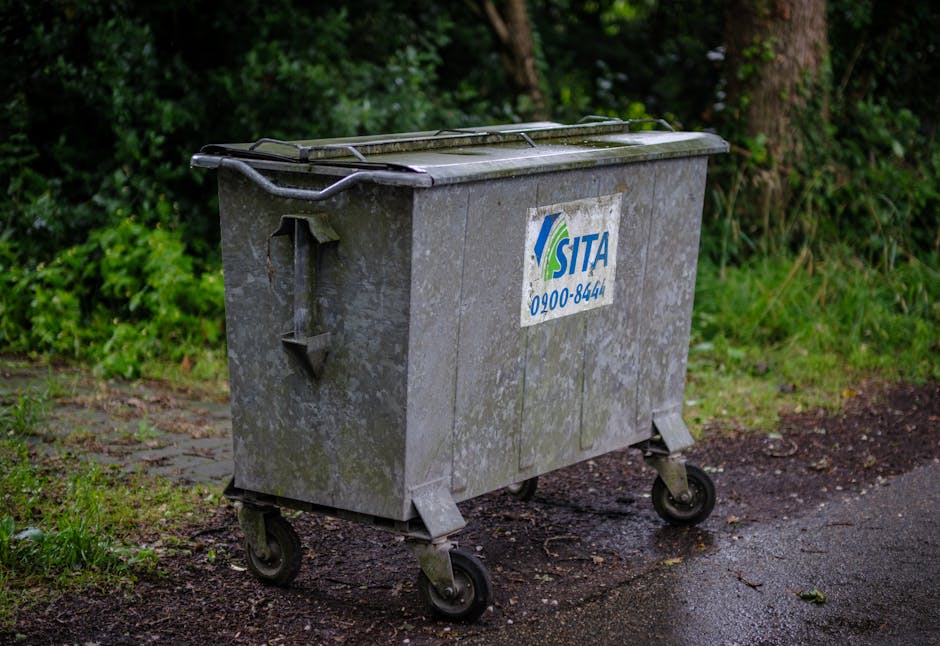
If you have ever looked at a garden after a big tidy-up and thought, where on earth is all this going to go?, you will understand the appeal of a well-planned clearance. Case study: garden waste clearance at Wood Farm Estate is a useful way to explore what happens when an outdoor space needs more than a quick rake and a bin bag. It is about bulky green waste, awkward access, time pressure, and making sure the job is done neatly without turning the place into a second mess.
In this article, we walk through the practical side of garden waste clearance in a real estate setting, including how the work is usually approached, what good service looks like, and the mistakes that can slow everything down. It is written for residents, landlords, managing agents, and anyone trying to get a garden back under control. Truth be told, once you understand the process, it feels a lot less daunting.
- Why it matters
- How it works
- Key benefits and practical advantages
- Who needs this service
- Step-by-step guidance
- Expert tips
- Common mistakes to avoid
- Tools, resources and recommendations
- Law, compliance, standards, or best practice
- Options, methods, or comparison table
- Case study or real-world example
- Practical checklist
- Conclusion
- Frequently asked questions
Why Case study: garden waste clearance at Wood Farm Estate Matters
Garden waste clearance is easy to underestimate. A few cut branches, a pile of ivy, some old soil bags, and a dead hedge can look manageable at first. Then you start lifting, and suddenly it is heavier, wetter, and more awkward than it looked from the patio. At estate level, those small piles can multiply fast, especially after seasonal pruning, tenant changes, or a communal clean-up.
That is why a structured clearance matters. It keeps shared spaces presentable, reduces trip hazards, and stops waste from lingering where it can attract vermin or simply look untidy. For Wood Farm Estate, the real value is not just removing garden debris; it is restoring order without disrupting residents. You want the job handled quickly, quietly, and with a bit of common sense. Not glamorous, but very useful.
There is also a practical trust issue. Residents often want to know that waste will be handled responsibly, with recyclable green material separated where possible. A service that understands garden clearance and broader waste removal can make that much easier. That peace of mind matters when several households share the same outdoor space.
Expert summary: The best garden waste clearance is not just about speed. It is about safe lifting, tidy loading, sensible sorting, and leaving the site better than it was found.
How Case study: garden waste clearance at Wood Farm Estate Works
In a typical estate clearance, the process begins with a walk-through. The team identifies what is being removed, how much space is involved, whether access is straightforward, and whether any waste is mixed with items that need separate handling. A pile of hedge trimmings is one thing. A pile of trimmings plus old fence panels, broken plant pots, and a wheelbarrow that has seen better days is another.
Once the scope is clear, the clearance is planned around access and timing. In communal settings, that often means avoiding peak footfall, keeping pathways open, and loading in a way that does not block residents for long. A good crew tends to work in stages: gather, sort, load, sweep, check. It sounds simple because it should be simple. The hard part is doing it well.
Green waste usually includes grass cuttings, hedge trimmings, branches, leaves, weeds, and small roots. Depending on the job, there may also be mixed outdoor waste such as old compost bags, damaged garden furniture, or builders' leftovers from landscaping work. If the pile is mixed, it helps to separate materials early. That saves time later and supports better recycling outcomes.
For larger or more complex clearances, a service like recycling and sustainability is worth considering alongside the main clearance plan, because it keeps the focus on responsible disposal rather than just shifting volume from one place to another.
Key Benefits and Practical Advantages
The main benefit is obvious: the space becomes usable again. But the real advantages run a bit deeper than that.
- Improved appearance: A cleared garden instantly looks cared for, which matters on a residential estate.
- Better safety: Loose branches, hidden debris, and slippery rotting waste are removed before they become a nuisance.
- Less stress for residents: People do not have to organise lifts, trailers, or multiple trips to a disposal site.
- Time savings: One coordinated clearance is usually far more efficient than piecemeal DIY disposal.
- Cleaner communal spaces: Shared grounds look more inviting for everyone, including visitors.
- More responsible disposal: Proper sorting supports greener handling of natural waste.
There is also a quieter benefit that people notice later: momentum. Once a neglected area is cleared, it becomes easier to maintain. The space feels manageable again. That alone can change how residents use it. A garden no longer feels like a job waiting to happen.
If you are comparing different property-wide services, a broader option such as home clearance or house clearance may be relevant when the outdoor work is linked to an interior move-out or estate turnover. Different jobs, same principle: reduce clutter, keep control.
Who This Is For and When It Makes Sense
This kind of clearance is not only for one-off "messy garden" situations. It makes sense for a fairly wide range of people and property setups.
Residents
If your own garden has reached the point where the green bin is no longer enough, a clearance can be the practical option. That might happen after heavy pruning, a long period of neglect, or a garden redesign. You do not need a dramatic reason. Sometimes life gets busy. Fair enough.
Landlords and managing agents
Vacant or turnover properties often need outdoor tidying between tenancies. A cluttered garden can slow re-letting, reduce kerb appeal, and create headaches during inspections. At estate level, consistency matters. One untidy plot can make the whole area feel off.
Maintenance teams
Where grounds staff are already stretched, bringing in outside support for one-off garden waste clearance can free up time for ongoing upkeep. It is often a sensible choice after storms, seasonal maintenance, or overgrown hedge work.
People dealing with mixed waste
If the garden waste is mixed with old timber, broken sheds, or leftover renovation debris, you may need more than a simple green-waste pickup. In that case, services such as builders waste clearance can be useful where landscaping and construction overlap.
It makes sense when the waste volume is too high, the access is awkward, or the job needs to be completed on a schedule that residents can live with. In other words, when you would rather solve it properly than keep moving the pile around. We've all seen that pile.
Step-by-Step Guidance
Here is a simple way to think about a garden waste clearance at an estate such as Wood Farm Estate.
- Assess the waste. Look at what needs to go: branches, grass, hedge clippings, roots, planters, bags, or mixed outdoor junk.
- Check access. Can a team get close to the waste? Are there stairs, narrow paths, locked gates, or parked cars to work around?
- Separate the materials. Keep green waste apart from timber, metal, plastics, and anything else that should be handled differently.
- Set the timing. Pick a slot that suits residents and avoids blocking regular movement through the estate.
- Load safely. Heavy bags, wet clippings, and thorny cuttings should be moved in a controlled way.
- Clear the site. Once the waste is removed, the area should be swept or raked so it does not look half-finished.
- Confirm disposal details. Ask how the waste will be handled and whether recyclable material is separated.
A small but helpful detail: wet garden waste always weighs more than people expect. A bag that looked harmless in the morning can feel like a small brick by the time you move it. That changes the planning, just a bit.
For owners or agents who want a single contractor to manage several kinds of clearance across a property, it can be useful to look at garage clearance as well, especially where outdoor waste and stored household items are being removed together.
Expert Tips for Better Results
Good garden waste clearance is mostly about small decisions made early. The job is rarely difficult in theory. The smooth jobs are usually the ones where someone has thought ahead.
- Group waste by type before collection. It saves time and makes recycling easier.
- Keep a clear route from garden to vehicle. Even a short obstacle, like a bin or planter, can slow the whole job.
- Cut oversized branches down first if safe to do so. That helps with loading and reduces wasted space.
- Don't leave hidden waste under leaves or tarps. Teams can only remove what they can actually access.
- Choose a time when residents are less likely to be moving through the area. Early mornings can work well, though not always for everyone.
- Ask about sorting and reuse. It is a good sign when a contractor can explain what happens to different waste streams.
One more thing: if there is a chance of sharp material, broken glass, or contaminated waste mixed in, say so upfront. Nobody likes surprises in a pile of hedge cuttings. Nobody.
For commercial or multi-property management, services like business waste removal may also be relevant when the clearance forms part of a wider site-management routine.
Common Mistakes to Avoid
Most problems with garden waste clearance are not dramatic. They are ordinary things that were overlooked. That is what makes them so annoying.
- Underestimating volume: A garden pile often expands the moment it is gathered and bagged.
- Mixing waste types without telling anyone: Green waste, timber, rubble, and general rubbish may need different handling.
- Ignoring access issues: Narrow alleys, low branches, and locked gates can turn a quick job into a slow one.
- Leaving the area half-cleared: It is not really finished if debris is still scattered across the path.
- Assuming all waste can be treated the same: It cannot. At least, not if you want responsible disposal.
- Not checking the final tidy-up: Tiny bits of twigs, soil, and plastic tie-wraps are easy to miss.
A common one in estate settings is leaving the job to whoever is available on the day, without a clear brief. That usually works until it doesn't. A short written note or checklist can prevent a lot of back-and-forth.
Tools, Resources and Recommendations
You do not need a shed full of specialist kit to manage a garden clearance, but the right tools make the work safer and faster.
Useful tools
- Heavy-duty waste sacks
- Rakes and brooms
- Secateurs or loppers for trimming bulky branches
- Gloves with decent grip
- Tarpaulins for collecting loose clippings
- Wheelbarrows or sturdy tubs for moving waste short distances
Useful planning resources
- A simple site map or access note for the estate
- A list of waste types that are expected
- Timing notes for resident access and parking
- Any instructions on whether areas should be left swept or fully cleared
If you are arranging a larger seasonal tidy-up, it can help to talk through the scope before the day rather than trying to sort everything on the pavement. That little bit of planning saves a lot of sighing later on.
For anyone comparing services or wanting to understand what is included, the pricing and quotes page is a sensible place to review how a proper quotation process is usually handled.
Law, Compliance, Standards, or Best Practice
Garden waste clearance sits within normal UK waste-handling expectations, so it should be approached carefully. While you do not need to turn a simple clearance into a legal seminar, good practice does matter.
In practical terms, that means waste should be collected, transported, and disposed of by a competent party following recognised handling standards. If a job involves mixed waste, sharp material, soil, or anything potentially hazardous, it becomes even more important to be clear about what is being taken and how it will be managed. Misclassification is where confusion starts.
Residents and property managers should also think about site safety. Paths need to stay clear where possible, bags should not be left where someone can trip over them, and any manual lifting should be done with care. Heavy or awkward loads are where backs get grumpy. Fast.
For reassurance, it can help to check a provider's published approach to safety and insurance. Pages such as health and safety policy and insurance and safety show whether the business takes those responsibilities seriously. That is not just paperwork. It is part of professional practice.
Options, Methods, or Comparison Table
Different estates and households choose different routes for garden waste. The best option depends on volume, access, urgency, and whether the waste is purely green or mixed with other material.
| Method | Best for | Pros | Limitations |
|---|---|---|---|
| DIY bagging and local disposal | Very small amounts of cuttings | Low cost, flexible timing | Time-consuming, transport needed, can be messy |
| Regular garden bin use | Ongoing light maintenance | Simple for routine trimmings | Not suitable for bulky clear-outs |
| One-off professional clearance | Large, awkward, or time-sensitive jobs | Fast, tidy, less manual effort | Usually costs more than doing it yourself |
| Combined clearance service | Mixed garden and household waste | Efficient for wider tidy-ups | Needs clearer sorting and planning |
For estate managers, the professional clearance route is often the most practical when the aim is to restore the appearance of a shared outdoor area quickly. For a few clipped roses and a small bag of grass, DIY may be enough. For a hedge that has been growing like it owns the place, probably not.
Case Study or Real-World Example
Here is a realistic example of how a garden waste clearance at Wood Farm Estate might unfold, without pretending there is some grand drama behind it.
Imagine a cluster of communal and private garden areas after a long growing season. There are hedge trimmings stacked beside a path, a few bags of soil from planting work, cut branches from a boundary tidy-up, and some old plastic pots that have been sitting around for months. Nothing disastrous. Just enough to make the space feel cluttered and a bit neglected.
The first priority is access. Residents still need to walk through safely, so the waste is collected in a way that keeps the path open. Branches are grouped together, loose clippings are bagged, and non-green items are separated rather than shoved into the nearest pile. A crew would typically work from the furthest point back toward the exit, which reduces double-handling and helps keep the site tidy as they go.
At the end, the area is swept and checked. What people remember is not the lifting. It is the before-and-after. The path looks wider. The air smells fresher. You can see the edge of the garden again. That sort of reset makes a difference on an estate, especially when residents are living with the space every day.
If the job reveals related clutter, perhaps in a shed or shared storage area, then services like furniture clearance or furniture disposal may also become relevant for a complete tidy-up. Not always. But often enough.
Practical Checklist
Use this simple checklist before arranging garden waste clearance at an estate:
- Identify the exact waste types present
- Confirm whether anything is mixed with garden waste
- Check access routes, gates, parking, and steps
- Decide on the best time to avoid resident disruption
- Ask what happens to recyclable green waste
- Remove any personal items that should not go with the clearance
- Make sure paths and entrances stay usable
- Request a final sweep or tidy-up once the waste is removed
- Keep notes for future seasonal maintenance
- Confirm any safety or insurance questions in advance
Quick takeaway: the best results come from clear sorting, sensible timing, and a team that treats the site with care. It really is that straightforward.
Conclusion
Case study: garden waste clearance at Wood Farm Estate shows that outdoor clearances are about more than just removing a heap of clippings. They are about restoring order, protecting shared spaces, and making the estate easier to live in. The work goes smoothly when access is planned, waste is separated properly, and everyone knows what to expect.
Whether you are dealing with a one-off seasonal tidy-up or a larger estate-wide reset, the same principles apply: keep it safe, keep it tidy, and keep it practical. That approach saves time, reduces stress, and leaves the space looking cared for instead of merely emptied. Which, let's face it, is the whole point.
If you are comparing options or planning the next clean-up, start with a clear brief, think about access, and choose a service that understands responsible disposal as well as fast removal.
Get a free quote today and see how much you can save.
A well-cleared garden has a quiet kind of satisfaction to it. Not flashy. Just calm, clean, and ready for people to enjoy again.
Frequently Asked Questions
What is included in garden waste clearance at Wood Farm Estate?
It usually includes the removal of green waste such as branches, hedge trimmings, leaves, grass cuttings, weeds, and roots. If there are mixed items like pots, timber, or old outdoor furniture, those may need to be separated and handled differently.
How do I know if my garden waste is too much for a bin collection?
If the waste is bulky, wet, heavy, or more than a few sacks' worth, it is often easier to arrange a dedicated clearance. Big hedge cuttings and branch piles can overwhelm standard bin capacity very quickly.
Can mixed waste be removed with garden waste?
Sometimes yes, but it depends on the material. Green waste should be kept separate from rubble, timber, metal, and general rubbish where possible. Clear sorting usually leads to better disposal outcomes and fewer delays.
How long does a typical estate garden clearance take?
That depends on access, volume, and how scattered the waste is. A neat, pre-bagged area is much faster than a site with waste spread across several corners. The best way to judge is through a proper assessment beforehand.
What should residents do before the clearance team arrives?
Residents should move personal items, ensure access paths are clear, and avoid leaving pets or parked vehicles in the way if possible. A little preparation makes the whole job smoother. It really does.
Is garden waste recycled?
Green waste is often suitable for recycling or composting, depending on how it is collected and what it is mixed with. Responsible handling starts with separating natural waste from non-organic items.
Do I need to be present during the clearance?
Not always, but it can be helpful if there are access issues or special instructions. For straightforward jobs, many people prefer to arrange the details in advance and let the team get on with it.
What if there is a locked gate or limited access?
That should be mentioned upfront. Restricted access is manageable when planned properly, but it affects timing, loading, and vehicle positioning. The earlier it is flagged, the better.
How can I make sure the area is left tidy?
Ask for a final sweep or rake-down after the waste is removed. Good service should not stop at loading the van. The site should be left neat and ready to use.
Is this service suitable for landlords or managing agents?
Yes. In fact, it is often a very practical option for turnarounds, seasonal maintenance, and communal grounds upkeep. It helps keep the estate presentable and reduces the workload on in-house teams.
What is the difference between garden clearance and general waste removal?
Garden clearance focuses on outdoor and green material, while general waste removal may include a much wider mix of household or site debris. If your job includes both, a broader waste service may be more suitable.
Where can I learn more about a provider's wider standards?
You can review pages such as about us, recycling and sustainability, and complaints procedure to get a better sense of how the business operates and handles customer concerns.