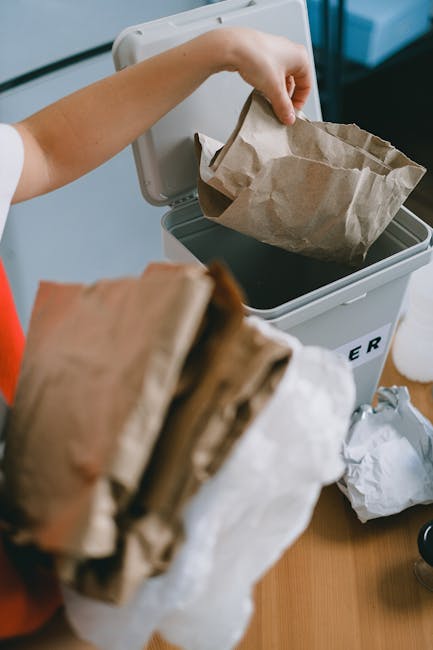
Best local drop off points for household rubbish in HA5
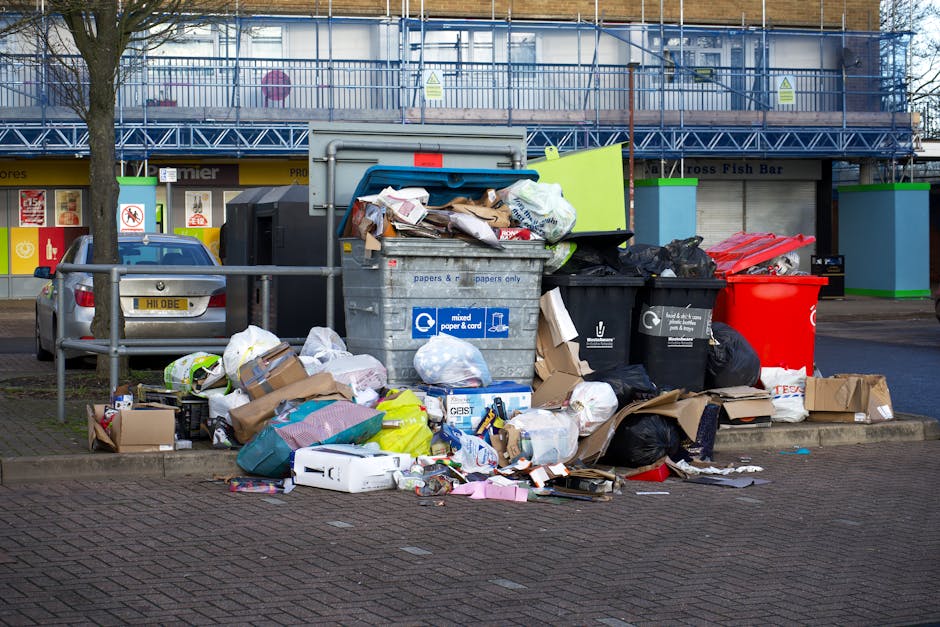
If you live in HA5 and you've got a growing pile of bagged waste, broken bits of furniture, old kitchen clutter, or just the sort of household rubbish that never seems to fit neatly into the weekly bin, you're probably looking for the best local drop off points for household rubbish in HA5. Fair enough. Most people don't want to overthink rubbish; they just want it gone, legally, quickly, and without causing hassle at home.
The tricky part is that "best" depends on what you're throwing away, how much you've got, and whether you want the simplest route or the cheapest one. In this guide, we'll walk through the practical options, how drop off points work, what to watch for, and when a collection service or a broader waste removal solution may actually make more sense. You'll also find a checklist, a comparison table, and a few real-world pointers that can save you a second trip. Because honestly, no one enjoys making two journeys with a boot full of old junk on a rainy Tuesday.
- Why local drop off points matter in HA5
- How household rubbish drop off works
- Key benefits and practical advantages
- Who this is for and when it makes sense
- Step-by-step guidance
- Expert tips for better results
- Common mistakes to avoid
- Tools, resources and recommendations
- Law, compliance and best practice
- Options and comparison table
- Case study or real-world example
- Practical checklist
- Conclusion
- Frequently asked questions
Why Best local drop off points for household rubbish in HA5 Matters
Household rubbish is one of those things that quietly builds up. A few bagged items in the hallway, a cracked chair in the garage, a box of packaging from a home project, and suddenly the place feels cluttered. In HA5, having sensible local drop off options matters because space is tight, transport can be a pain, and not every household has a car big enough for a tidy clear-out.
The right drop off point can help you avoid fly-tipping, stop bins from overflowing, and keep bulky items out of your home for longer than they need to be there. It also gives you a proper route for disposal instead of leaving bags by the side for "later", which usually becomes next weekend. We've all done it.
There's another reason it matters: sorting rubbish properly is better for recycling, better for neighbours, and generally less stressful. A good drop off point should be easy to use, clear about what it accepts, and realistic for ordinary households. If you're already planning a larger clear-out, you may also want to look at home clearance support or even house clearance if the volume is more than a few bags.
How Best local drop off points for household rubbish in HA5 Works
In simple terms, a drop off point is somewhere you take waste yourself and leave it with the right facility or collection service. The exact process varies, but most good local options follow the same pattern: check what is accepted, sort your items, load them safely, travel to the site, and unload within the rules.
For household rubbish, the key is knowing the difference between general waste, recycling, bulky items, garden waste, electricals, and anything hazardous. A bag of mixed household clutter may seem harmless, but it can contain things that need separate handling. Batteries, paint, sharps, chemicals, and some electrical items are the sort of things you do not want mixed in with ordinary rubbish. That's where people get stuck.
Some residents prefer a drop off point because it gives them control. Others prefer not to think about the disposal side at all and book help instead. There's no single right answer. If you are clearing a loft, garage, or the back room after a long winter, a more complete service such as loft clearance or garage clearance may be less fiddly than organising multiple trips.
What matters most is matching the method to the waste type. That's the whole game, really.
Key Benefits and Practical Advantages
The best local drop off points for household rubbish in HA5 offer more than just a place to dump bags. Used properly, they can make household clean-ups faster, safer, and less expensive than letting waste sit around. Here are the main advantages.
- Better convenience: If the site is nearby, you can often clear waste in one trip and get on with the rest of your day.
- More control: You decide exactly what goes, when it goes, and how it is sorted.
- Cleaner home environment: Rubbish stored in hallways, spare rooms, or sheds tends to spread. Drop it off and the clutter disappears.
- Potentially lower cost: For small volumes, self-drop-off can be cheaper than a full collection, especially if you already have transport.
- Better sorting and recycling: Many households do better when waste is separated before arrival.
- Less risk of illegal disposal: If you know where waste should go, you are less likely to leave it somewhere it should not be.
There is also a mental benefit people rarely mention. Once the rubbish is gone, the room feels lighter. It sounds simple, but that moment when you walk back into an uncluttered kitchen or garage is oddly satisfying. A bit like taking off muddy shoes after a long walk.
Who This Is For and When It Makes Sense
Drop off points are ideal for residents who have manageable amounts of household rubbish and want a practical, hands-on option. That might include:
- people doing a seasonal tidy-up
- families clearing out old toys, packaging, or broken household items
- tenants preparing for a move-out
- landlords dealing with left-behind clutter
- homeowners after a mini renovation or decorating project
- anyone without enough bin capacity for a one-off surge in waste
It also makes sense if you are reasonably sure you can sort your waste before you travel. If your pile is mixed, heavy, or awkward, think twice. A few bags of general rubbish is one thing. A load of damp carpet, broken shelving, and old furniture is another. At that point, the job can become more tiring than expected.
For larger clearances, especially where the waste includes bulky household goods, services like furniture disposal or furniture clearance can be a more straightforward fit. If the job extends beyond one room, that little bit of extra support can save an afternoon.
Step-by-Step Guidance
Here's the simplest way to approach the task without making it harder than it needs to be.
- Sort the waste first. Separate general household rubbish from recycling, old textiles, electricals, and anything that needs special handling.
- Check the item type. If you are unsure whether something is accepted, assume it may need separate disposal until confirmed.
- Bag and box items sensibly. Keep loose rubbish contained. Heavy bags split. Always.
- Load safely. Put heavier items low down, secure awkward pieces, and avoid overfilling the vehicle.
- Plan the route and timing. Quiet times can make the trip easier. Early morning or off-peak windows are often less stressful, though traffic can still do its own thing.
- Take proof or ID if required. Some facilities have their own access rules. It is better to check before you leave than stand there, standing in the drizzle, wondering why you came empty-handed.
- Unload carefully. Follow the site's instructions, place waste in the correct bays or containers, and keep an eye out for any separation rules.
- Reflect on the leftovers. If you still have a sizeable pile after the trip, it may be time to switch from self-drop-off to a fuller clearance method.
A good habit is to keep a simple "go" pile near the door for a day or two, then do one clean trip. It reduces back-and-forth and makes the job feel less like a drag.
Expert Tips for Better Results
From a practical point of view, the best results come from preparation, not speed. Rushing often means you arrive with the wrong items mixed together, then have to re-sort them on the spot. Not ideal.
Tip 1: Separate by material before you leave. Mixed waste is where people lose time. Keep paper, cardboard, plastics, and general rubbish apart where possible.
Tip 2: Use sturdy bags and boxes. Weak bags split in car boots and on pavements. It's a small thing, but a proper container makes the whole process smoother.
Tip 3: Keep a sharp eye on bulky items. A broken stool, old mattress, or damaged wardrobe may look like "just rubbish," but it can affect how and where it is accepted. If it feels awkward to carry, it is usually awkward to process too.
Tip 4: Don't overfill your vehicle. More is not always better. A safe load is better than a precarious tower of boxes threatening to open at every corner.
Tip 5: Think one step ahead. If you are already decluttering, it may be efficient to combine rubbish drop off with a broader tidy-up such as flat clearance or even a targeted garage clearance if you have been storing bits for years.
Tip 6: Reuse where it still makes sense. Not every item needs to be thrown away. Some furniture, containers, and household pieces may be suitable for reuse, donation, or repurposing if they are clean and safe. It sounds obvious, but we all forget that sometimes.
Common Mistakes to Avoid
Most problems with household rubbish drop off are avoidable. The mistakes are usually simple ones, but they can cause delays or extra costs.
- Arriving without checking acceptance rules. This is the big one. If a site will not take certain waste, you may be turned away.
- Mixing hazardous items with general rubbish. Batteries, liquid paint, chemicals, and sharp objects should never be tossed in with ordinary waste.
- Overloading bags and containers. Bags split. Boxes collapse. Then you are cleaning the car boot instead of finishing the job.
- Underestimating volume. What looks like "a few bags" at home can turn into a small mountain once it is all gathered together.
- Forgetting transport constraints. Some waste is simply too bulky for a standard car without careful planning.
- Leaving waste outside while you decide. That can create mess, attract pests, and generally make the house feel less pleasant. Not a good look.
To be fair, a lot of people make the same mistake once and then never again. You learn quickly when you have to reload everything in a car park. Very educational, that.
Tools, Resources and Recommendations
You do not need a complicated system to handle household rubbish well, but a few basic tools make life easier.
- Heavy-duty rubbish bags: better for general household waste and less likely to tear.
- Strong cardboard boxes: useful for loose items, broken toys, and lightweight clutter.
- Gloves: sensible for dusty loft items, bin bags, and anything with sharp edges.
- Tape or straps: helpful if you need to secure mixed items in the boot.
- Labels or marker pens: useful when sorting waste into categories before a trip.
For people who want a broader decluttering plan, it may help to pair a drop off trip with a service such as home clearance or house clearance if the entire property needs attention. If you are dealing with accumulated items in storage spaces, loft clearance can be especially useful because loft waste tends to be dusty, awkward, and time-consuming to shift by yourself.
It is also worth checking the provider's approach to recycling and responsible handling. If environmental care matters to you, the page on recycling and sustainability is a useful place to understand how a professional service thinks about disposal and recovery.
Law, Compliance, Standards, or Best Practice
When you are dealing with rubbish, the legal side is less glamorous than the decluttering, but it matters. In the UK, household waste should be disposed of responsibly, and you should avoid leaving items at unauthorised locations or using anybody who cannot handle waste properly. Fly-tipping is a genuine problem, and once waste leaves your home, you still want to know it is going to the right place.
Best practice is simple: sort waste accurately, keep hazardous materials separate, use approved facilities or reputable collection services, and keep any notes or receipts you are given. If a provider offers collections, it is sensible to ask how items will be handled, especially if you are dealing with mixed household clearances or bulky objects.
If you are using a professional service for heavier jobs, trust and safety matter too. Pages such as health and safety policy, insurance and safety, and terms and conditions are there for a reason. They help set expectations around access, handling, and responsibility. That may sound dry, but it protects everyone involved.
There is also a practical compliance point around household mixes. Don't assume all "rubbish" is treated the same. General waste, reusable items, and special waste may be managed differently. When in doubt, ask before you load the van. Saves a headache later.
Options, Methods, or Comparison Table
If you are choosing the best route for household rubbish in HA5, it helps to compare the main options side by side. The right answer depends on volume, time, mobility, and how much sorting you want to do yourself.
| Option | Best for | Pros | Watch-outs |
|---|---|---|---|
| Self drop off | Small to moderate waste loads | Good control, flexible timing, can be cost-effective | Needs transport, sorting, and your own time |
| Home collection | Households with bulky or awkward waste | No lifting to a vehicle, less stress, useful for mixed items | Usually costs more than a simple trip |
| Targeted clearance service | Lofts, garages, furniture, or full-room clear-outs | Handled end to end, quicker for larger jobs | May be more than you need for a few bags |
| Wait-and-build approach | People not in a rush | Lets you accumulate a fuller load before one trip | Can cause clutter to linger longer than planned |
In practice, many households use a mix. A few items go by self-drop-off, while awkward furniture or a larger clear-out gets handled through a service. That is often the neatest solution, and probably the least stressful one too.
Case Study or Real-World Example
Here's a realistic example. A family in HA5 spends a weekend sorting out a spare room before guests arrive. At first glance, it looks simple: six bags of old papers, a broken bedside table, some packaging, and a few outdated household bits that have been sitting there "for now" since last summer. By the time they finish sorting, they realise the pile is bigger than expected and the table is too awkward for the car boot.
Instead of forcing everything into one messy trip, they split the job. The bagged waste goes by a local drop off route, while the bedside table and a couple of larger items are handled separately. That saves a lot of awkward lifting and reduces the chance of damage in transit. In the end, the room is cleared properly, and the family avoids the classic mistake of trying to move everything in one overstuffed run.
This is where local drop off points shine. They work best when you are realistic about the load. If you try to make every item fit the same method, the process gets clunky. If you match the job to the waste, it just flows better.
Practical Checklist
Use this before you head out with household rubbish in HA5.
- Have I sorted general waste from recycling?
- Have I separated batteries, liquids, sharp items, and electricals?
- Are my bags and boxes strong enough to carry safely?
- Do I know what the drop off point accepts?
- Is my load within what my vehicle can safely handle?
- Do I need gloves, tape, or straps for awkward items?
- Have I checked opening times or access rules?
- Could this job be better handled by a collection or clearance service?
- Have I kept any useful, reusable items aside?
- Am I leaving the house clutter-free, not just moving the clutter around?
If you can answer yes to most of those, you are probably in good shape. If not, pause and re-sort. A little extra prep now usually saves a lot of hassle later.
Get a free quote today and see how much you can save.
Conclusion
The best local drop off points for household rubbish in HA5 are the ones that fit your waste type, your schedule, and your transport situation without making the job harder than it should be. For a few bags and some straightforward sorting, self-drop-off can be simple and efficient. For bulky, mixed, or ongoing clutter, a more complete clearance option may be the better path.
The real goal is not just removing waste. It is getting your home back to a calmer, clearer state without unnecessary trips, confusion, or last-minute stress. Choose the method that keeps things tidy, safe, and manageable. And if the job feels bigger than expected, that is normal. Happens all the time.
Take it one step at a time, do the sorting properly, and the whole process gets easier. That's usually the difference between a messy weekend and a clean one.
Frequently Asked Questions
What is the best local drop off option for household rubbish in HA5?
The best option depends on how much waste you have, whether it is bagged or bulky, and how far you want to travel. For small loads, a self-drop-off route is often the simplest.
Can I take mixed household waste to a drop off point?
Sometimes, but mixed waste often needs sorting first. Many facilities separate general waste from recyclable items, electricals, and anything hazardous. It is best to check before you go.
What household items should never go in general rubbish?
Batteries, paint, chemicals, sharps, and some electrical items should be handled separately. These items can be risky or restricted, so do not mix them in with normal bags.
Is self-drop-off cheaper than booking a clearance service?
For small and manageable loads, it can be. Once waste becomes bulky, heavy, or time-consuming to sort, a professional service may offer better value overall.
How do I know if my rubbish is too much for one trip?
If bags are spilling, items are awkward to lift, or your vehicle is becoming unsafe to load, that is usually the sign. When in doubt, split the job or choose a different method.
Can I take old furniture as household rubbish?
Some furniture can be taken separately, but large or awkward items are often easier to handle through furniture clearance or furniture disposal rather than mixed household waste drop off.
What should I do with waste from a loft or garage clear-out?
Loft and garage waste often includes dust, mixed clutter, and bulky items. It can be handled in stages, but many people find a dedicated loft clearance or garage clearance simpler.
Do I need to sort rubbish before taking it away?
Yes, in most cases sorting makes the process smoother and more likely to be accepted. It also helps recycling and reduces the chance of turning up with the wrong materials.
What if I do not have a large vehicle?
Then it may be better to use smaller loads, borrow a suitable vehicle, or choose a collection-based solution. Forcing everything into a small car rarely ends well. Bit of a faff, really.
Are there safer alternatives for people who cannot lift heavy items?
Yes. If lifting or transport is difficult, a home collection or full clearance service can remove the need to move heavy waste yourself.
How can I avoid fly-tipping when clearing household rubbish?
Use approved routes only, sort waste properly, and never leave items somewhere informal because it seems easier. A legitimate drop off point or reputable clearance service is the safest approach.
Who should I contact if I want help with a bigger household clear-out?
If your rubbish has grown into a larger clear-out, you may want to explore pricing and quotes and speak with the team through contact us. For more background on the business, about us is also useful.
What is the most practical next step if my rubbish keeps building up?
Start by sorting the waste into clear categories, then decide whether a small trip or a broader clearance is the better fit. If it keeps recurring, a more structured solution is usually kinder to your time and your home.